What Wine Cooler Sizes Are Selling Best in the USA in 2026?
A Market Analysis for Importers, Brands & Kitchen Appliance Distributors
The U.S. wine cooler market continues to evolve as homeowners invest more in premium kitchens, home bars, and outdoor living spaces. While consumers have more choices than ever before, one question remains particularly important for appliance brands, distributors, and importers:
Which wine cooler sizes are selling best in the U.S. market in 2026?
For companies sourcing products from OEM manufacturers, understanding size trends is just as important as selecting the right features. Choosing the wrong product dimensions can lead to slow inventory turnover, while offering the most popular sizes helps increase sales and improve customer satisfaction.
Based on current market demand, retailer offerings, kitchen design trends, and OEM sourcing inquiries, this article analyzes the wine cooler sizes that are driving the U.S. market in 2026.
Why Size Matters More Than Ever
Unlike countertop appliances, wine coolers are often integrated into cabinetry during kitchen renovation or home construction. This means consumers usually purchase products that match standard cabinet openings.
For appliance brands, selecting the correct dimensions determines compatibility with:
- · Standard kitchen cabinetry
- · Luxury kitchen projects
- · Home bar installations
- · Outdoor kitchens
- · Apartment renovations
- · Hospitality projects
As modern American homes increasingly adopt built-in appliances, standardized cabinet widths have become the dominant purchasing factor.
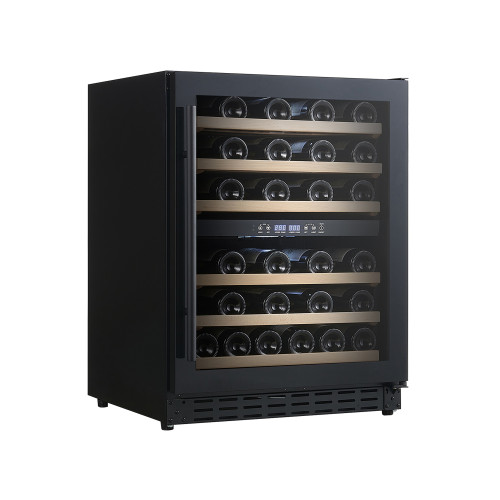
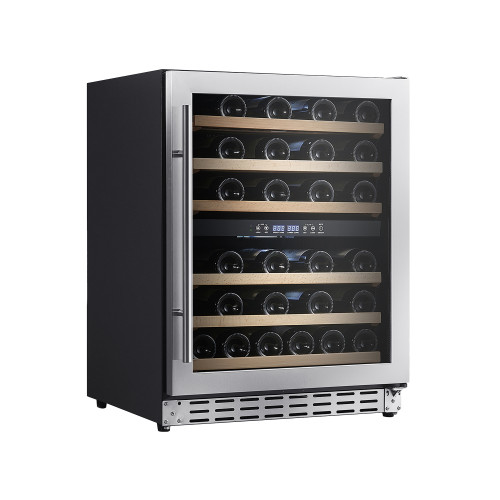
1. 24-Inch Built-in Wine Coolers Remain the Market Leader
Without question, 24-inch built-in wine coolers continue to dominate the U.S. market in 2026.
This size perfectly matches standard under-counter cabinet dimensions found in most American kitchens.
Typical specifications include:
- · Width: approximately 24 inches (about 595 mm)
- · Front ventilation
- · Built-in installation
- · Compressor cooling
- · Single or dual temperature zones
- · Capacity ranging from approximately 40–55 bottles
This size appeals to homeowners because it combines practical storage capacity with seamless integration into kitchen cabinetry.
For appliance brands, 24-inch models also simplify inventory management because they fit the majority of residential projects.
2. 30-Inch Wine Coolers Are Growing Rapidly
Luxury home construction has created strong demand for larger wine storage solutions.
Thirty-inch built-in wine coolers are becoming increasingly popular among:
- · Luxury homeowners
- · Interior designers
- · Custom kitchen builders
- · High-end renovation projects
These models typically offer:
- · 80–150 bottle capacity
- · Premium wooden shelves
- · Dual-zone temperature control
- · Full-extension shelving
- · Stainless steel or full-glass doors
As consumers look for professional-grade wine storage without building a traditional wine cellar, larger built-in models continue to gain popularity.
3. 15-Inch Wine Coolers Continue to Serve Small Spaces
Not every home has room for a full-size wine refrigerator.
Fifteen-inch models remain a popular option for:
- · Apartments
- · Condominiums
- · Compact kitchens
- · Coffee bars
- · Secondary beverage stations
Although bottle capacity is smaller, these products offer an attractive solution for urban living where space efficiency is essential.
Many builders also pair two 15-inch appliances together—for example, a wine cooler alongside a beverage cooler—to create flexible storage solutions.
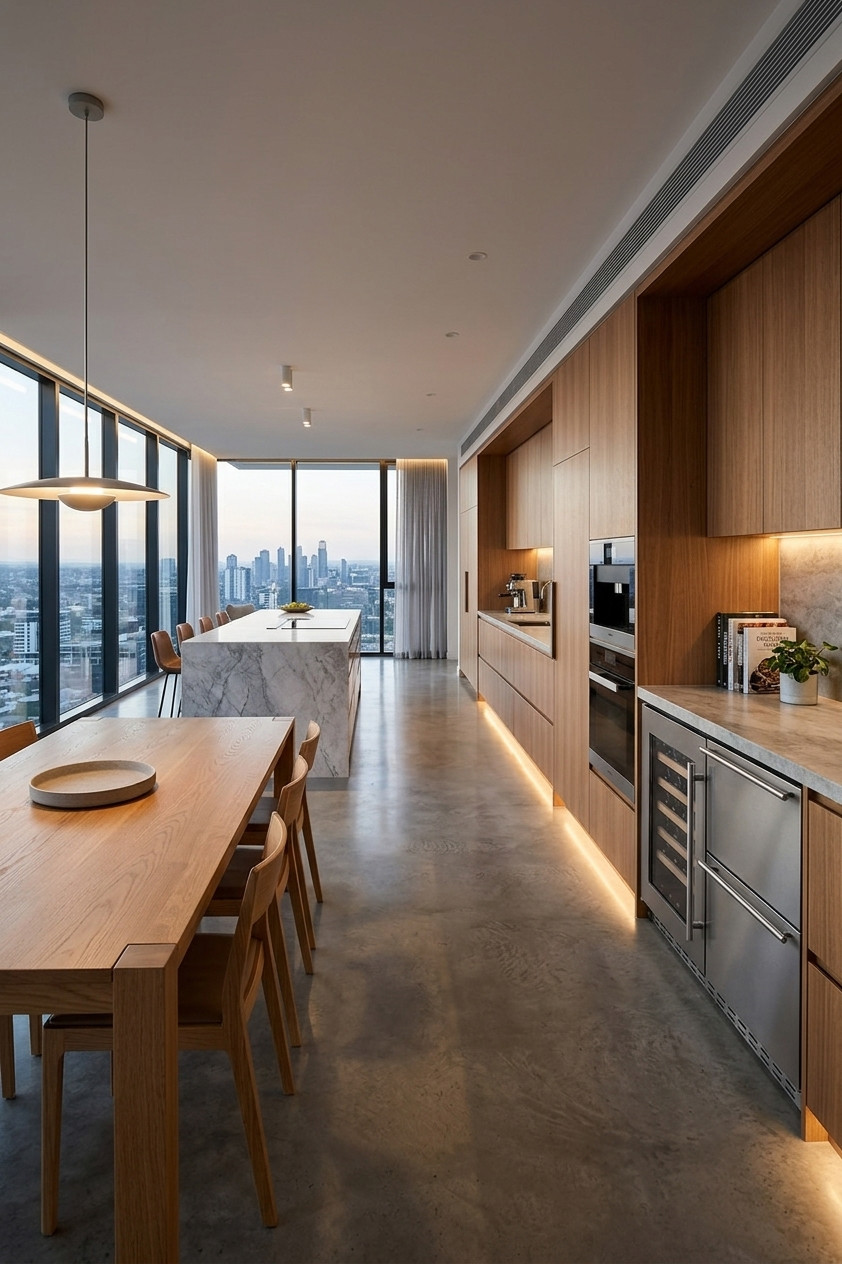
4. Dual 24-Inch Installations Are Becoming a Premium Trend
Another noticeable trend in 2026 is combining two under-counter refrigeration units.
Common configurations include:
- · Wine Cooler + Beverage Cooler
- · Wine Cooler + Refrigerator Drawer
- · Dual Wine Coolers with separate temperature zones
This approach creates a luxury appearance while providing greater storage flexibility.
For OEM manufacturers, designing products with consistent heights, handles, and ventilation systems allows brands to build coordinated appliance collections.
Which Bottle Capacities Sell Best?
Although consumers often shop by bottle capacity, manufacturers should remember that cabinet dimensions usually determine the purchase.
Current demand can generally be grouped into four categories:
| Capacity | Typical Installation | Market Demand |
|---|---|---|
| 18–30 Bottles | Small apartments | Moderate |
| 40–55 Bottles | Standard under-counter kitchens | Very High |
| 60–100 Bottles | Premium homes | High |
| 100+ Bottles | Luxury residences & hospitality | Growing Fast |
The 40–55 bottle segment remains the largest volume category because it matches the highly popular 24-inch built-in format.
Features Buyers Expect in 2026
Size alone is no longer enough.
American buyers increasingly expect wine coolers to include:
- · Front ventilation for built-in installation
- · Low-vibration compressor systems
- · Quiet operation
- · UV-resistant Low-E glass
- · Digital temperature controls
- · Soft LED interior lighting
- · Wooden shelves
- · Fingerprint-resistant stainless steel
- · Flush cabinet alignment
- · Energy-efficient operation
Manufacturers that combine these features with the most popular cabinet sizes are better positioned to compete in the premium market.
Opportunities for OEM & Private Label Brands
For importers and appliance brands, focusing on the right product dimensions can significantly improve sales performance.
Based on current market trends, an ideal product portfolio should prioritize:
- · 24-inch built-in wine coolers as the core product
- · 30-inch premium models for luxury projects
- · 15-inch slim units for compact installations
- · Matching beverage coolers and refrigerator drawers to create complete under-counter appliance collections
Offering coordinated product families enables distributors to meet a wider range of customer needs while strengthening their brand identity.
Final Thoughts
The U.S. wine cooler market in 2026 continues to favor built-in refrigeration products that integrate seamlessly into modern kitchens.
While premium features such as quiet compressors, dual-zone cooling, and elegant finishes influence purchasing decisions, the correct cabinet dimensions remain the foundation of every successful product.
For OEM manufacturers and private-label brands, investing in the most widely adopted sizes—particularly 24-inch and 30-inch built-in models—offers the strongest opportunity to meet market demand and support long-term growth.
As kitchen design trends continue toward integrated appliances and premium home entertaining, manufacturers that align product development with these sizing preferences will be best positioned for success in the years ahead.