The Principles and Benefits of OEM/ODM Wine Cooler Manufacturing Solutions
 As we delve into the world of wine preservation, we'll explore how modern manufacturing solutions are revolutionizing the industry. Specifically, we'll focus on the powerful combination of Original Equipment Manufacturer (OEM) and Original Design Manufacturer (ODM) partnerships in crafting exceptional wine coolers.
Understanding the principles and benefits behind these OEM/ODM collaborations is key for brands looking to offer top-tier wine storage. This guide will illuminate how these manufacturing models provide flexibility, efficiency, and innovation for wine cooler products, ultimately safeguarding the taste and aroma of fine wines.
Key Takeaways
For businesses aiming to enter or expand within the wine cooler market, understanding the nuances of manufacturing partnerships is paramount. OEM (Original Equipment Manufacturer) and ODM (Original Design Manufacturer) models offer distinct pathways, each with unique strategic benefits. An OEM partnership is ideal for brands that have a specific, proprietary design and wish to maintain full control over their product's specifications and intellectual property. This model allows a company to leverage a factory's production capabilities without owning the infrastructure, ensuring high-quality and exclusive products that reflect the brand's unique vision. It is a client-driven approach where the brand provides the blueprints, and the manufacturer executes the production.
Conversely, the ODM model is a more streamlined, efficient solution for brands looking to get to market quickly and with lower initial investment. In an ODM partnership, the manufacturer has already developed a base product design, which the client can then brand as their own, often with some cosmetic customizations. This leverages the manufacturer's existing research and development, tooling, and supply chains, drastically reducing the time and costs associated with creating a product from scratch. This approach is particularly beneficial for companies focusing on marketing and distribution rather than product development.
The strategic advantages of using either model are significant. Partnering with an experienced wine cooler manufacturing factory provides access to advanced technologies like digital inverter compressors for precise temperature control, sophisticated humidity management systems, and vibration-dampening features that are crucial for preserving wine. These partners also offer scalability, allowing brands to adjust production volumes based on market demand without the risks of managing their own factory. Ultimately, choosing the right OEM/ODM partner is a critical strategic decision. It empowers a brand to focus on its core competencies—such as marketing and customer relationships—while relying on a specialist to handle the complexities of production, quality control, and compliance. This symbiotic relationship is the key to launching innovative, reliable, and competitive wine cooler products in a discerning market.
Understanding OEM and ODM for Your Wine Cooler Manufacturing Factory
In the competitive landscape of home and commercial appliances, the manufacturing model a brand chooses can define its trajectory. For wine coolers, where precision and reliability are paramount, understanding the distinction between an Original Equipment Manufacturer (OEM) and an Original Design Manufacturer (ODM) is the first step toward building a successful product line. These two approaches offer different levels of control, cost structures, and speed to market, catering to diverse business strategies. Making an informed decision requires a clear grasp of how each model functions within the context of a specialized product like a wine cooler.
What is an OEM Wine Cooler Manufacturing Factory?
An Original Equipment Manufacturer (OEM) partnership represents a traditional and powerful approach to product creation. In this business model, the brand (the client) provides a complete, proprietary product design to a manufacturing partner. The OEM factory’s role is to execute this design precisely, transforming the client's blueprints and specifications into a finished product. For wine coolers, this means the brand dictates every critical detail, from the type of compressor and insulation materials to the specific shelving design and user interface. The manufacturer is responsible for sourcing components, assembly, and quality control according to the client's strict guidelines.
Client-Driven Design and Control
The defining characteristic of the OEM model is the complete control it affords the client. The brand retains full authority and ownership over the product's design, features, functionality, and technical specifications. This includes the intellectual property (IP), which is a significant competitive advantage. For a company looking to launch a unique wine cooler—perhaps with a patented cooling technology, a distinctive aesthetic, or specialized features for aging specific types of wine—the OEM route is ideal. The client provides the detailed engineering drawings, performance criteria, and Bill of Materials (BOM), and the factory's primary responsibility is faithful execution. This client-driven process ensures that the final product is a perfect reflection of the brand's vision and quality standards.
Benefits: Quality and Exclusivity
Partnering with an OEM wine cooler factory offers two primary benefits: unparalleled quality control and product exclusivity. Because the brand sets the specifications, it can demand the highest standards for materials and assembly, ensuring a reliable and high-performing product. Rigorous testing protocols, dictated by the client, are implemented by the OEM to guarantee every unit meets these benchmarks. This direct oversight is crucial for a product like a wine cooler, where temperature stability and component longevity are non-negotiable.
Furthermore, since the design is proprietary, the brand is assured of market exclusivity. The OEM factory is contractually obligated not to produce the same design for any other client. This prevents market saturation with identical products under different brand names and allows the client to build a strong, unique brand identity around a product that cannot be easily replicated. This exclusivity, combined with the assurance of quality, empowers brands to position themselves as premium and innovative leaders in the wine preservation market.
What is an ODM Wine Cooler Manufacturing Factory?
An Original Design Manufacturer (ODM) offers a different, more streamlined path to market, often referred to as "private labeling." In this model, the factory takes responsibility for not only manufacturing but also most of the product's design and engineering. ODMs invest in their own research and development to create a portfolio of pre-designed "base" products. A client can then select a wine cooler model from the ODM's catalog and have it customized with their own branding, color schemes, and sometimes minor feature adjustments. Essentially, the client is leveraging the manufacturer’s existing design and tooling to launch a product under their own name.
Manufacturer-Driven Design and Efficiency
The ODM model is driven by the manufacturer's expertise and existing product platforms. These factories have in-house design and engineering teams that stay ahead of market trends, developing wine cooler designs with proven technology and features. Their design process is built for efficiency, utilizing standardized components and pre-existing supply chains to optimize production. Since the core design is already developed, tested, and often certified, the entire process from product selection to mass production is significantly accelerated. The manufacturer handles the complexities of R&D, engineering, and tooling, allowing the client to focus on branding and sales strategy.
Benefits: Speed to Market and Cost-Effectiveness
The most significant advantages of partnering with an ODM are speed and cost-effectiveness. By choosing a pre-designed product, a brand can bypass the lengthy and expensive R&D phase, which can take years and require substantial investment. This drastically reduces the time-to-market, allowing a company to capitalize on emerging trends or quickly fill a gap in their product line. For new entrants or startups, the ODM model is particularly advantageous as it lowers the barrier to entry.
The cost benefits are equally compelling. Since the ODM already has the tooling, established supply chains, and produces in volume for multiple clients, they can offer a much lower unit cost. The client avoids the high upfront costs of mold development, prototyping, and extensive testing. This cost efficiency makes it possible for smaller brands or companies with limited resources to launch a high-quality wine cooler without the significant financial risk associated with developing a product from scratch.
Key Benefits of Partnering with an OEM/ODM Wine Cooler Manufacturing Factory
Whether a brand chooses the bespoke control of an OEM partnership or the rapid efficiency of an ODM collaboration, outsourcing production to a specialized wine cooler manufacturing factory unlocks a host of strategic advantages. These factories are more than just assembly lines; they are hubs of innovation, technology, and manufacturing excellence. By partnering with them, brands can leverage specialized expertise, achieve significant cost savings, enhance their product offerings, and ultimately gain a powerful competitive edge in the market.
Leveraging Expertise and Advanced Technology
Modern wine cooler factories are centers of specialized knowledge. They employ engineers and technicians with deep expertise in refrigeration, thermodynamics, and material science. By partnering with them, a brand gains immediate access to this institutional knowledge and the cutting-edge technology it produces. This is particularly critical in the wine cooler industry, where precise environmental control is the core function of the product. These factories continuously invest in R&D to refine cooling systems, improve energy efficiency, and enhance user experience, allowing their clients to offer technologically superior products without bearing the full R&D burden.
Digital Control Compressors for Precise Temperature Management
The single most important factor in wine preservation is maintaining a stable temperature. Even minor fluctuations can cause a wine's chemistry to change, negatively impacting its flavor and aroma profile. OEM/ODM factories are at the forefront of developing and implementing advanced cooling systems to combat this. The gold standard is the use of digital control or inverter compressors. Unlike traditional compressors that cycle on and off, causing sharp temperature swings, inverter-driven systems adjust their speed to maintain a highly consistent temperature. This technology, coupled with precise digital thermostats and multiple sensors, can hold the internal temperature with near-zero fluctuation, creating an environment that mimics a natural wine cellar. Partnering with a factory that has mastered this technology ensures the brand's wine coolers will perform this critical function flawlessly.
Humidity Control and Air Circulation Systems
Beyond temperature, humidity and air quality are vital for long-term wine storage. If the humidity is too low (below 50%), corks can dry out, shrink, and allow oxygen to seep into the bottle, causing premature oxidation. Conversely, humidity levels above 70% can lead to mold growth on labels and corks. Specialized wine cooler factories integrate sophisticated humidity control systems to maintain the ideal range of 50-70% relative humidity. Furthermore, they design internal fan systems to ensure proper air circulation. This prevents stagnant air, eliminates odors that could potentially penetrate the cork, and ensures that the temperature and humidity are distributed evenly throughout the entire cabinet, avoiding dangerous hot or cold spots. Access to this integrated climate control expertise is a key benefit of an OEM/ODM partnership.
Cost Efficiency and Scalability for Your Wine Cooler Manufacturing Factory
One of the most compelling reasons for partnering with an OEM/ODM factory is the significant financial advantage it provides. Building, equipping, and operating a manufacturing facility requires enormous capital investment, not to mention ongoing operational costs for labor, maintenance, and compliance. By outsourcing production, brands can transform a large fixed cost into a variable cost, paying only for the products they order. This model dramatically lowers the financial barrier to entry and allows for more strategic allocation of capital.
Reduced R&D and Manufacturing Costs
The ODM model, in particular, offers substantial cost savings by eliminating the need for in-house research and development. Product design, prototyping, and tooling are massive expenses that ODMs absorb and distribute across multiple clients. This allows a brand to launch a new product for a fraction of the cost of starting from scratch. Both OEM and ODM models benefit from the manufacturer's economies of scale. These factories purchase raw materials and components in vast quantities, securing much lower prices than a single brand could achieve on its own. They also optimize their production lines for maximum efficiency, further reducing the per-unit cost. These savings are passed on to the client, enabling them to offer competitively priced products without sacrificing quality.
Flexible Production Volumes
Market demand is rarely static. It fluctuates with seasonal trends, economic conditions, and competitive pressures. Owning a factory means being saddled with its fixed capacity, which can lead to costly downtime during slow periods or an inability to meet demand during peaks. OEM/ODM partnerships provide crucial scalability. These manufacturers are accustomed to managing variable production schedules for numerous clients. Brands can increase or decrease their order volumes based on real-time market feedback. This flexibility allows businesses to be more agile, minimizing inventory risk and maximizing their ability to capitalize on sales opportunities as they arise.
Enhanced Product Offerings and Market Differentiation
In a crowded marketplace, standing out is essential. An OEM/ODM partnership can be a powerful tool for achieving product differentiation and building a diverse, appealing product portfolio. While the ODM model might seem to lead to generic products, a good partner offers a surprising degree of customization, and the OEM model is entirely built around creating unique products. This allows brands to tailor their wine coolers to specific market segments and consumer preferences.
Customization Options for Branding and Features
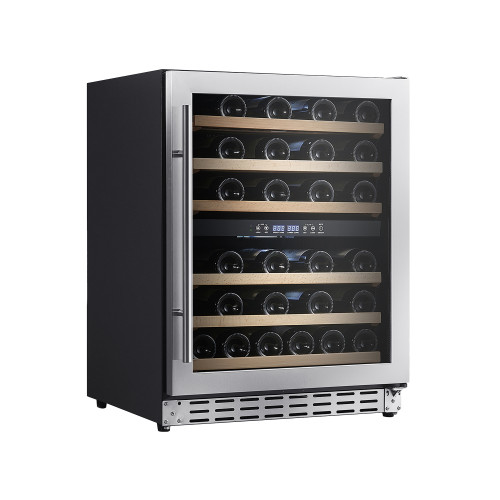
Even within the ODM framework, brands have numerous opportunities to differentiate their products. Customization typically goes far beyond simply adding a logo. Clients can often choose from a variety of materials, finishes, and handle designs to match their brand aesthetic. Interior features like shelving materials (wood vs. metal), lighting color, and control panel interfaces can also be customized. For OEM partners, the possibilities are virtually limitless, as the brand controls the entire design. This ability to customize allows a company to craft a product line with a distinct look and feel, creating a strong and recognizable brand identity that resonates with its target audience.
Dual-Zone Wine Coolers for Diverse Needs
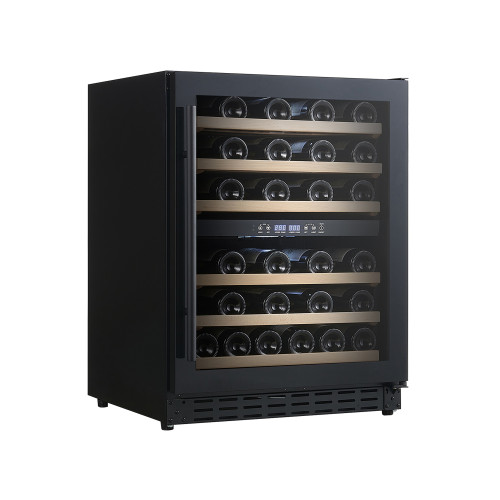
A prime example of leveraging manufacturing expertise for market differentiation is the production of dual-zone wine coolers. Many wine enthusiasts collect both red and white wines, which have different ideal storage temperatures—typically around 55°F for reds and 45°F for whites. A dual-zone cooler features two independently controlled compartments within a single unit, allowing users to store each type of wine under its optimal conditions. Developing such a product requires sophisticated engineering to insulate the zones from each other and manage two separate cooling systems. OEM/ODM factories specializing in wine coolers have already perfected this technology. By offering dual-zone models, a brand can immediately cater to the needs of serious wine collectors, providing a versatile and high-value solution that sets them apart from companies offering only single-zone units.
The Strategic Advantage: Why Choose an OEM/ODM Wine Cooler Manufacturing Factory
Choosing to partner with an OEM/ODM wine cooler manufacturing factory is more than just a production decision; it is a fundamental strategic choice that can shape a brand's entire business model. This approach allows companies to operate more efficiently, respond to market changes with greater agility, and build a stronger brand by focusing on what they do best. By offloading the immense complexities of design, engineering, and manufacturing, businesses can unlock their true potential for growth and innovation.
Focus on Core Competencies and Brand Building
Very few companies can excel at everything. The OEM/ODM model allows a business to concentrate its resources—time, capital, and talent—on its core competencies. For most brands, these are areas like marketing, sales, customer service, and strategic brand development. By outsourcing the complexities of manufacturing, a company is freed from managing supply chains, production schedules, and factory floor operations. This sharp focus enables the brand to develop a deeper understanding of its customers, create more effective marketing campaigns, and build a powerful brand narrative. The result is a more resonant brand and a stronger connection with the target market, which are crucial drivers of long-term success.
Meeting Market Demands with Agility
The modern consumer market is characterized by rapid change. New trends can emerge almost overnight, and customer preferences evolve quickly. Owning and operating a factory can make it difficult to pivot quickly, as retooling and altering production processes are slow and expensive. OEM/ODM partnerships, especially the ODM model, provide exceptional market agility. A brand can work with its ODM partner to rapidly launch new products or variations in response to emerging trends. For instance, if there's a sudden demand for "smart" wine coolers with app integration, an ODM factory with expertise in electronics can quickly incorporate this feature into their existing designs, allowing their brand partners to enter the market fast. This ability to respond to consumer desires with speed and flexibility is a massive competitive advantage.
Ensuring Quality and Compliance in Your Wine Cooler Manufacturing Factory
Entering the electronics and appliance market, especially in regions like North America and Europe, means navigating a complex web of safety standards and regulatory requirements. This is a daunting and resource-intensive task that requires specialized expertise. Reputable OEM/ODM factories are experts in this domain. They have dedicated compliance teams and established processes for ensuring their products meet all necessary certifications.
For wine coolers sold in the US, this includes crucial safety certifications like UL (Underwriters Laboratories) or ETL (Intertek). These marks signify that a product has been rigorously tested by a Nationally Recognized Testing Laboratory (NRTL) and meets established safety standards for fire and electrical hazards. The certification process is thorough, involving not just product testing but also regular factory audits to ensure consistent production quality. A manufacturing partner with existing UL or ETL certifications for their components and processes can dramatically simplify and accelerate the path to compliance for a new brand. They also manage adherence to environmental regulations like RoHS (Restriction of Hazardous Substances), which restricts the use of specific materials in electronics. Partnering with a compliant factory mitigates significant legal and financial risks, protects the brand's reputation, and ensures market access.
| Standard/Certification | Purpose | Relevance for Wine Coolers |
|---|---|---|
| UL (Underwriters Laboratories) | Certifies product safety, primarily against fire and electrical shock risks. One of the most recognized marks in the US. | Essential for consumer confidence and retailer requirements. Confirms the wine cooler's electrical systems, compressor, and wiring are safe for household use. |
| ETL (Intertek) | A UL-equivalent safety certification from an OSHA-recognized NRTL. Tests to the same standards as UL. | A widely accepted alternative to UL. Often chosen for a potentially faster and more cost-effective certification process, ensuring the same level of safety. |
| FCC (Federal Communications Commission) | Regulates radio frequency emissions from electronic devices in the US. | Required for any "smart" wine cooler with Wi-Fi, Bluetooth, or other wireless connectivity to ensure it doesn't interfere with other devices. |
| RoHS (Restriction of Hazardous Substances) | A European directive restricting the use of specific hazardous materials in electronics, now a global standard. | Ensures the product is free from harmful substances like lead, mercury, and cadmium, which is important for environmental responsibility and global market access. |
| ISO 9001 | An international standard for a company's quality management system (QMS). | Indicates the factory has robust, documented processes for ensuring consistent quality in production, a key sign of a reliable partner. |
Finding the Right OEM/ODM Wine Cooler Manufacturing Factory Partner
Selecting a manufacturing partner is one of the most critical decisions a wine cooler brand will make. The right partner acts as an extension of your team, contributing to your product's quality, innovation, and overall success. The wrong partner, however, can lead to production delays, quality control nightmares, and damage to your brand's reputation. A thorough and strategic selection process is therefore essential. It involves looking beyond the per-unit price and evaluating a factory's capabilities, commitment to quality, and communication practices.
Factors to Consider When Selecting a Partner
Finding the ideal manufacturing partner requires a multi-faceted evaluation. While cost is a factor, it should not be the sole determinant. A truly valuable partner will demonstrate strength across several key areas, ensuring a smooth, reliable, and high-quality production process that supports your brand's long-term goals.

Capacity and Customization Capabilities
First and foremost, you must evaluate a factory's production capacity. A thorough analysis should determine their maximum output under normal operating conditions, not just a theoretical peak. This involves understanding their line speeds, number of shifts, and overall equipment effectiveness (OEE). It's crucial to ensure they can not only meet your initial order volume but also scale up to accommodate future growth. Giving an order that is too large for a factory's capacity can lead to rushed production, quality issues, and significant delays.
Equally important are their customization capabilities. For an ODM partnership, inquire about the range of modifications they allow. Can you change materials, colors, and features, or are you limited to branding? A good ODM partner will offer a degree of flexibility that allows you to create a product that feels unique. For an OEM partnership, assess their technical expertise and willingness to collaborate on a new design. Do they have the engineering talent to help you solve complex challenges and bring your unique vision to life?
Commitment to Quality and Sustainability
A partner's commitment to quality is non-negotiable. Look for factories that have a robust Quality Management System (QMS), ideally one that is certified to international standards like ISO 9001. A strong QMS involves documented procedures for every stage of production, from inspecting incoming raw materials to final product testing. Inquire about their quality assurance processes. Do they conduct regular in-process inspections and rigorous functional tests on finished units? A factory's willingness to be transparent about its quality control methods is a strong indicator of its reliability.
In today's market, sustainability is also a critical consideration. Consumers increasingly prefer brands that demonstrate environmental responsibility. Partnering with a manufacturer that prioritizes sustainable practices—such as using eco-friendly materials, minimizing waste, and implementing energy-efficient processes—can become a significant brand advantage. It not only reduces environmental impact but also enhances your brand's reputation and appeal to a growing segment of a socially-conscious consumers.
The Importance of Clear Communication
Even the most technologically advanced and capable factory can be a poor partner if communication is lacking. Clear, consistent, and transparent communication is the bedrock of a successful OEM/ODM relationship. From the initial inquiry to ongoing production, there must be established channels for discussing specifications, timelines, and potential challenges. Misunderstandings due to language barriers or unclear instructions can lead to costly errors and production delays.
A good partner will be proactive in their communication, providing regular updates without being prompted and raising potential issues early. They should have a dedicated English-speaking project manager for international clients to ensure nothing is lost in translation. Before signing any contract, establish clear communication protocols and expectations. This collaborative and open dialogue builds trust and ensures both parties are aligned, turning a simple transactional arrangement into a true strategic partnership.
Frequently Asked Questions (FAQ)
Q1: What is the main difference between OEM and ODM for wine coolers?
A1: The primary difference lies in who is responsible for the product's design and intellectual property (IP). In an OEM (Original Equipment Manufacturer) partnership, the brand (client) provides a complete, proprietary design to the factory. The client owns the design and IP, and the factory's role is solely to manufacture the product according to those exact specifications. This offers maximum control and product uniqueness. In an ODM (Original Design Manufacturer) partnership, the factory designs and develops the product, owning the base design and IP. The client then selects a product from the factory's catalog and sells it under their own brand, often with cosmetic customizations. This model is faster and more cost-effective.
Q2: Is OEM or ODM better for a new wine cooler brand?
A2: For most new brands, especially those with limited capital and R&D resources, the ODM model is generally more suitable. It offers a significantly faster and cheaper path to market because the extensive costs and time associated with product development and tooling are avoided. This allows a new brand to enter the market quickly, test consumer response, and focus its resources on marketing and brand building. However, if the new brand is founded on a unique, patented technology or a highly specific design concept that is central to its identity, the OEM model would be necessary to protect its intellectual property and ensure product exclusivity.
Q3: How do OEM/ODM factories ensure the quality of their wine coolers?
A3: Reputable factories ensure quality through a comprehensive Quality Management System (QMS). This starts with supplier quality management, where they audit and qualify the suppliers of all components. During production, they implement in-process quality control (IPQC) with multiple checkpoints to inspect for defects at various assembly stages. Finally, they conduct final product testing, where every finished wine cooler undergoes rigorous functional tests. This includes checking for temperature accuracy, cooling efficiency, humidity control, and electrical safety. Many top-tier factories have certifications like ISO 9001, which validates their commitment to maintaining these strict quality processes.
Q4: What advanced features can I expect from an ODM wine cooler factory?
A4: Leading ODM factories are hubs of innovation and often offer a wide range of advanced features in their product catalogs. These can include dual-zone or even triple-zone temperature compartments for storing different types of wine, inverter compressor technology for ultra-stable temperature control, and integrated humidity systems. You can also expect features like UV-protective glass doors, carbon filters for air purity, low-vibration designs to protect wine from sediment disruption, and smart connectivity (Wi-Fi/Bluetooth) for app-based monitoring and control.
Q5: How can I protect my intellectual property when working with an OEM factory?
A5: Protecting your IP is crucial, especially in an OEM partnership where you are sharing proprietary designs. The most important step is to have a comprehensive and legally binding Manufacturing Agreement and an NNN (Non-Disclosure, Non-Use, Non-Circumvention) Agreement in place before sharing any sensitive information. The Manufacturing Agreement should clearly state that you retain all ownership of the intellectual property, including design files, patents, and tooling. The NNN agreement specifically prevents the factory from using your design for other clients, producing it for themselves, or bypassing you to sell directly to your customers. It's highly advisable to work with a lawyer experienced in international manufacturing contracts to draft these documents.
Q6: What are the biggest challenges when partnering with an OEM/ODM manufacturer?
A6: The biggest challenges often revolve around communication, quality control, and potential delays. Language and cultural barriers can lead to misunderstandings, so having a dedicated, bilingual project manager is essential. While reputable factories have quality systems, a brand must remain vigilant, often by employing third-party inspection services to verify quality before shipment. Production delays can also occur due to supply chain disruptions or factory scheduling conflicts. The key to mitigating these challenges is to choose your partner carefully through thorough vetting, establish crystal-clear communication protocols upfront, and build a strong, collaborative relationship based on mutual trust.
Conclusion
By embracing the principles of OEM and ODM, businesses can unlock significant advantages in the competitive wine cooler market. These partnerships allow us to deliver innovative, high-quality, and cost-effective wine storage solutions that meet the evolving needs of consumers. From leveraging advanced cooling technologies to achieving market agility, the strategic benefits of outsourcing manufacturing are clear and compelling.
Ultimately, choosing the right OEM/ODM wine cooler manufacturing factory is a strategic decision that empowers brands to thrive, expand their reach, and ensure the perfect preservation of every bottle. It allows companies to focus on their strengths, build a powerful brand, and confidently deliver exceptional products to wine lovers everywhere. We encourage you to explore these manufacturing models and consider how a strategic partnership could elevate your brand to the next level. Share this article with your team, and let us know your thoughts on the future of wine cooler manufacturing.