How to Choose the right built-in wine fridge for your collection
Introduction
A built-in wine cooler is a compact refrigerator designed specifically to fit neatly under your kitchen counter or into custom cabinetry, keeping your wine at the perfect serving temperature. Unlike regular fridges, these units are made with wine in mind—they control temperature, limit vibration, and often include features like UV-protected glass doors. Built-in models are gaining popularity in American and European homes because they save space, blend seamlessly with modern kitchen designs, and add a touch of style for both casual wine drinkers and dedicated collectors. They're also a practical solution for anyone who enjoys entertaining at home, offering easy access to a ready-to-serve bottle. In this beginner-friendly guide, we'll walk you through the essentials: what to look for, how to install one, how much to budget, and simple tips for getting the most from your cooler.
Built-In vs. Freestanding
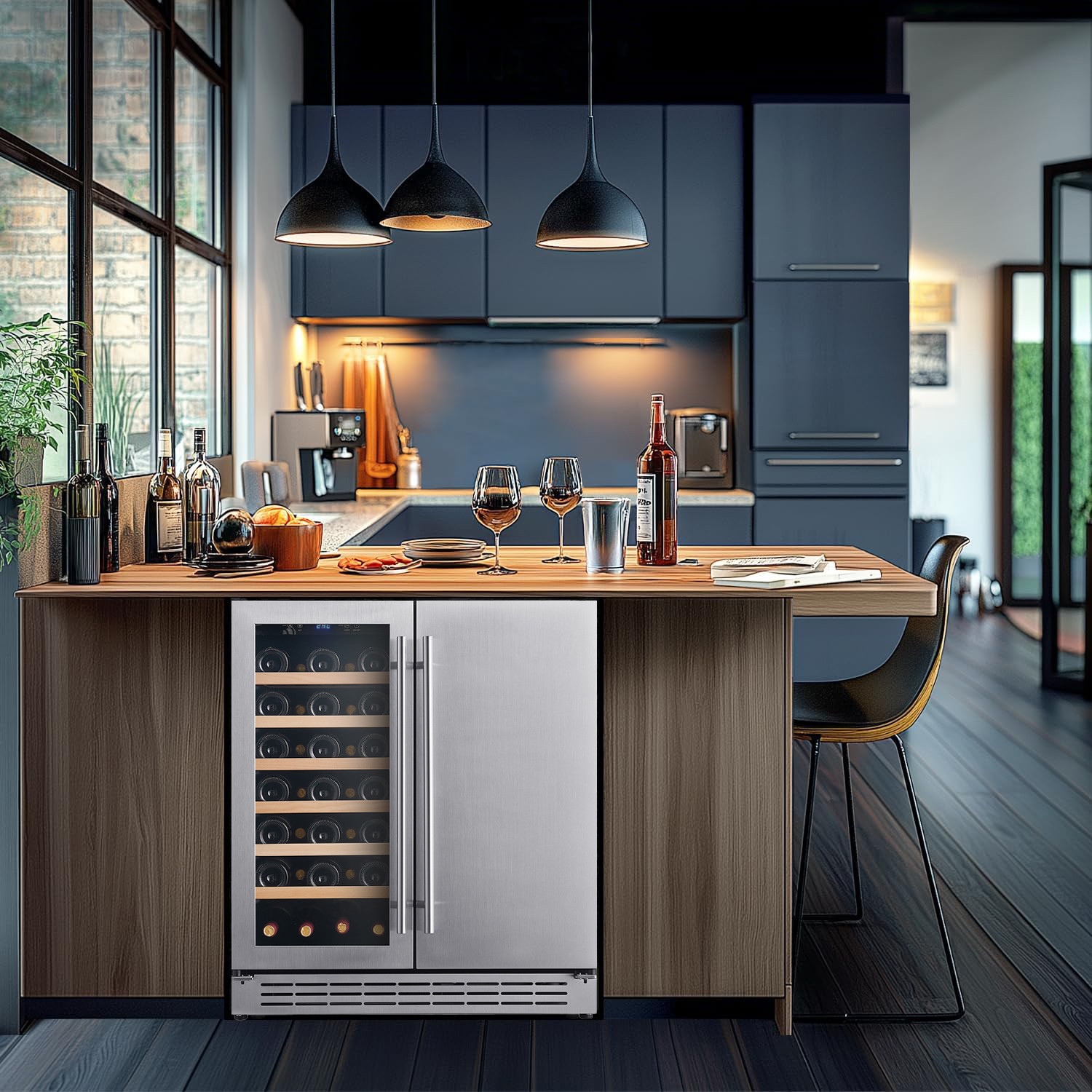
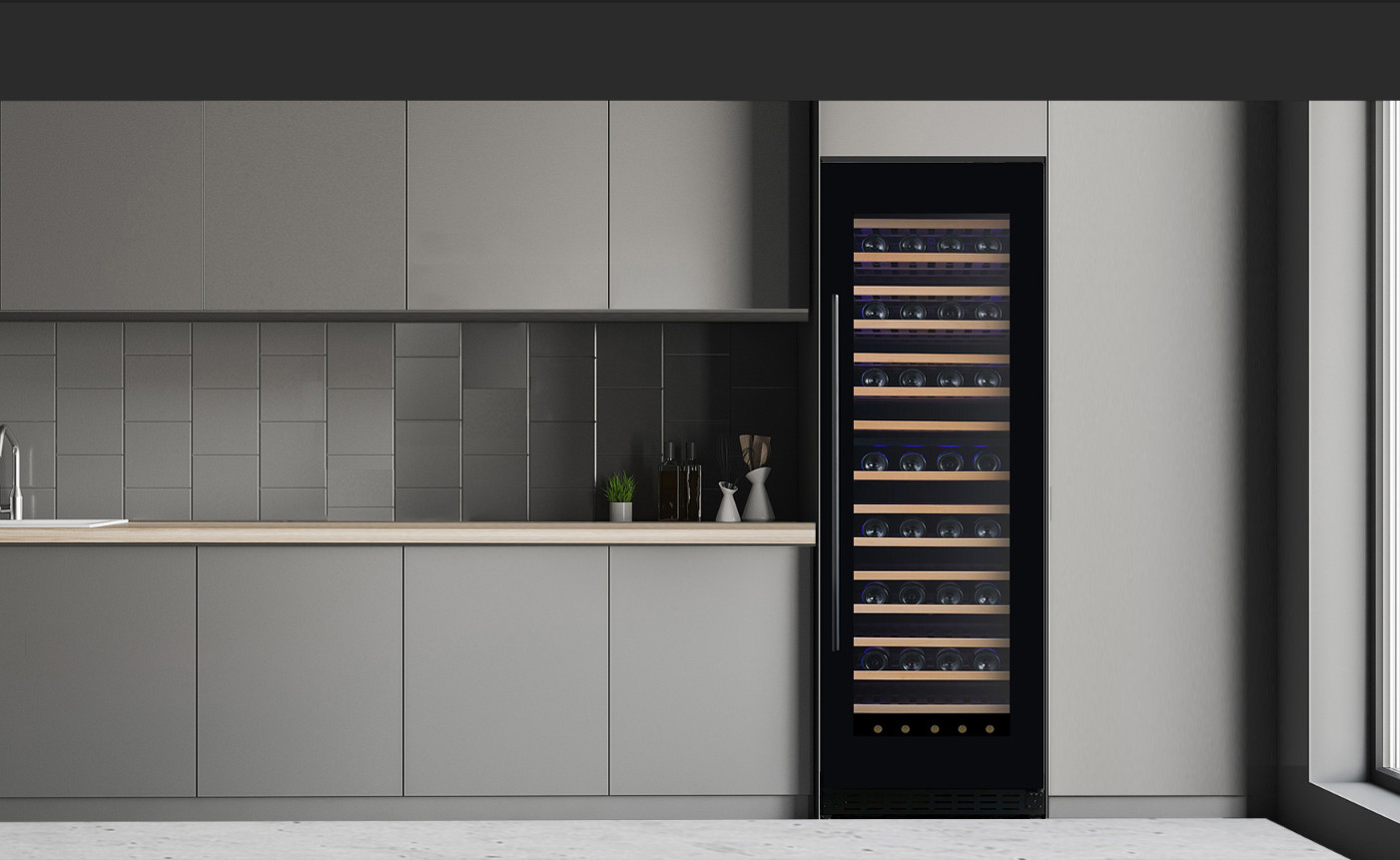
One of the first things to understand is the difference between a built-in wine cooler and a freestanding one. Built-in wine coolers are designed to be seamlessly integrated into cabinetry or kitchen units. They are typically installed under counters or as part of custom-built cabinetry. The primary benefit of built-in units is their ability to blend into your space, providing a sleek, professional, and clean look. These coolers often feature front-venting systems that allow them to be installed in tight spaces with no need for extra space around the fridge. They're ideal for homes with limited space or businesses looking for a streamlined design in kitchens, bars, or restaurants.
Freestanding wine coolers, on the other hand, can be placed anywhere in your home or business without needing to be built into cabinetry. They typically offer more flexibility in terms of installation, as they don’t need to be customized or fit into specific spaces. These coolers are often larger and more versatile, making them a great choice for wine lovers with large collections. They come in a variety of sizes, ranging from compact units to massive, multi-zone models. However, they require extra space around them for ventilation and can take up more room in your space compared to built-in units.
Why Beginners Should Consider One
For beginners, a built-in wine cooler offers both style and convenience. It keeps bottles within easy reach when entertaining guests or preparing dinner, while also protecting your collection far better than a regular refrigerator. With stable temperature, reduced vibration, and UV protection, a built-in cooler helps preserve wine quality—even if you're just starting out with a modest collection.
Key Features to Look For
Size & Bottle Capacity
When shopping for a built-in wine cooler, the first thing to consider is how many bottles you want to store. Smaller models typically hold between 18 and 32 bottles, making them ideal for beginners or those with limited kitchen space. Larger coolers can store 50 or more bottles and are perfect for collectors or households that entertain often. Before deciding, think about your current collection size and how it might grow. Also, measure your available cabinet space carefully to ensure the cooler fits properly without restricting ventilation.
Temperature Zones
Another key feature is the number of temperature zones. A single-zone cooler maintains one consistent temperature, which works well if you mostly enjoy one type of wine, such as reds or whites. A dual-zone cooler, on the other hand, gives you flexibility—allowing reds to stay slightly warmer while whites or sparkling wines are kept cooler. This makes dual-zone models a great choice if you like variety or often host guests.
Design & Finish
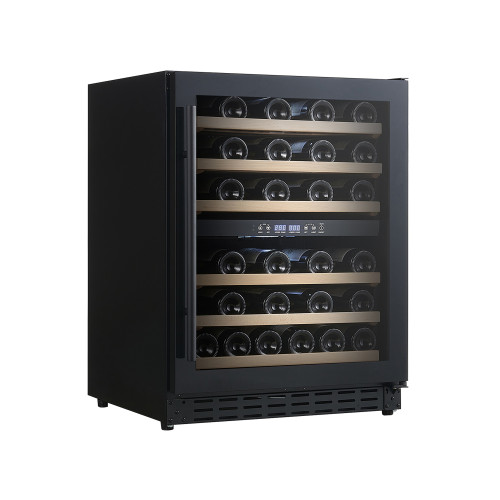
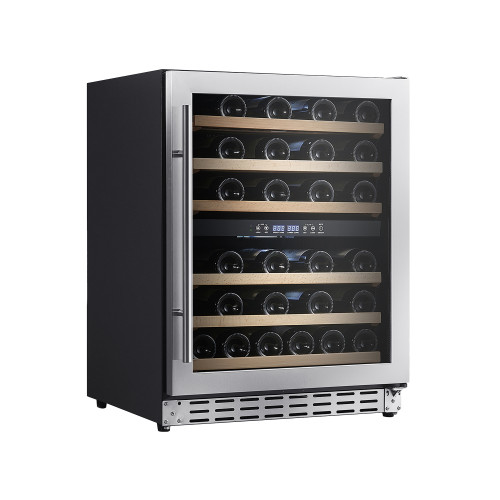
Finally, consider the look and finish of your cooler. Stainless steel doors add a sleek, professional feel, while panel-ready options blend seamlessly with cabinetry. Glass doors with UV protection not only showcase your collection but also protect it from harmful light. Many models also include interior LED lighting, which makes bottles easier to see and adds a stylish glow to your kitchen or bar area.
Wooden Shelves vs. Glass Shelves vs. Wire Shelves: Understanding the Differences and Applications
When it comes to wine and beverage coolers, the type of shelving used plays a crucial role in both the storage functionality and the overall presentation of the unit. Different materials are chosen based on the storage needs of specific items like wine, soda, or beer. Below is an overview of the three main types of shelves you'll find in beverage and wine coolers: wooden shelves, glass shelves, and wire shelves, along with their unique features and ideal applications.
1. Wooden Shelves for Wine Storage
Wooden shelves are commonly used for wine storage, particularly in wine coolers designed for red and white wines. The wood provides a stable and non-reactive surface that helps to preserve the integrity of the wine, especially when storing bottles with corks. The natural material helps maintain the proper humidity levels within the cooler, preventing the corks from drying out, which is critical for preserving the wine’s quality.
Applications: Ideal for wine coolers or wine cellars, wooden shelves provide a classic, rustic aesthetic. They are best for long-term wine storage, where keeping the bottles horizontally is important to keep the cork moist.
Advantages: The sturdy construction can support heavier bottles and the slotted design allows for easy bottle placement. The wood also helps to absorb vibrations, which is crucial for aging wine.
2. Glass Shelves for Beverages and Display
Glass shelves are often used in beverage coolers or as display shelves in dual-zone wine fridges. These shelves provide a sleek and modern look, giving the unit an elegant, high-end appearance. Tempered glass is commonly used to ensure durability and strength. While glass shelves can hold light to medium-weight bottles, they are more suitable for displaying beverages rather than storing heavy wine bottles.
Applications: Perfect for displaying beverages like sodas, juices, or bottled water, glass shelves are great in beverage-focused coolers. In a wine fridge with a display section, they can also be used to highlight rare or specialty bottles.
Advantages: Glass shelves provide a clean, unobstructed view of the contents, making them ideal for showcasing premium or colorful beverages. Their transparent nature also adds to the aesthetic appeal of the cooler.
3. Wire Shelves for Beverages and Storage Flexibility
Wire shelves are highly versatile and are typically used in both beverage and wine coolers. These shelves are constructed from metal wire and offer excellent ventilation due to the open spaces between the wires. This ventilation helps maintain a consistent temperature throughout the cooler. Wire shelves are also lightweight, making them easy to adjust or remove as needed.
Applications: Best for storing cans, bottles, and beverages that don’t require as much support or a specialized environment. Wire shelves are often used in multi-zone coolers or units designed for mixed use, offering the flexibility to store both beverages and wine.
Advantages: Wire shelves are adjustable, allowing users to change the shelf height to accommodate various bottle sizes. They are also easy to clean and provide excellent airflow, which is essential for beverage storage.
Simple Installation Basics
Space & Ventilation
Installing a built-in wine cooler isn’t just about sliding it into an empty spot—it requires careful planning. Since these units rely on front ventilation, you must leave enough clearance around the cooler to ensure proper airflow. Without it, the compressor can overheat, leading to performance issues. Before buying, take accurate measurements of your cabinet opening, including width, depth, and height. Even a small miscalculation can make installation difficult or prevent the cooler from fitting at all.
DIY or Professional Help?
Some built-in wine coolers are plug-and-play, meaning you can simply place them in the cabinet space and connect them to a standard outlet. However, more advanced or larger units may require professional adjustment—such as minor cabinetry modifications, securing the cooler for stability, or ensuring proper ventilation in tight spaces. If you’re comfortable with basic installations, you may be able to handle it yourself. But if you’re uncertain or want a seamless, built-in look, hiring a professional installer is often worth the extra cost.
Best Spots to Place Your Cooler
Popular Locations
One of the best things about built-in wine coolers is their flexibility in placement. Many homeowners choose under-counter spaces in the kitchen, where the cooler is both discreet and convenient for everyday use. If you enjoy entertaining, a home bar area is another popular choice, keeping your collection close to where guests gather. Larger households or collectors sometimes opt for entertainment rooms or basements, where extra space allows for bigger units without crowding the kitchen.
What to Avoid
While placement options are flexible, there are a few spots you should avoid. Never install your wine cooler next to ovens, dishwashers, or other heat-producing appliances, as the extra warmth can make it work harder and shorten its lifespan. Also, avoid areas with poor ventilation or direct sunlight, since both can interfere with temperature control. Choosing the right location ensures your cooler performs efficiently while protecting your wine.
Beginner-Friendly Model Recommendations
Good Starter Options
If you're just starting out with wine storage, compact built-in coolers are a great entry point. Models that hold 18–24 bottles are perfect for beginners, offering enough space to keep a small collection without taking up too much room in your kitchen. Another excellent choice is an affordable dual-zone cooler, which lets you store red and white wines at their ideal temperatures simultaneously. These options balance functionality and price, making them appealing for anyone building their first wine setup.
Why These Work for New Owners
Beginner-friendly models are designed with simplicity in mind. Many are plug-and-play, requiring minimal installation effort, and their controls are straightforward to use. They also provide the most important features—consistent temperature, UV protection, and quiet operation—without overwhelming you with advanced extras. This makes them easy to maintain and budget-friendly while still offering the benefits of proper wine storage. For new wine enthusiasts, these models deliver the perfect balance of convenience, performance, and style.
Conclusion
Built-in wine coolers are a stylish and practical addition to any home, especially for beginners who want to enjoy wine the way it’s meant to be served. They save space, protect your bottles, and add a modern touch to kitchens, bars, or entertainment areas. By choosing the right size, temperature zone, and placement, you can find a cooler that perfectly matches your lifestyle and collection. Even starting with a compact model helps you store wine properly and build confidence as your collection grows. Ready to upgrade your home with the perfect wine cooler? Shop the latest built-in wine coolers at Wiki Appliance and find the one that fits your needs today.
Need help finding the best wine cooler? Contact WIKI Design
Foshan Shunde Wiki Electrical Co., Ltd. was established in 2014. It is a national high-tech enterprise specializing in R&D, production and sales. Mainly engaged in the production of embedded or vertical frost-free products, including wine cabinets, beverage cabinets, refrigerators, freezers, drawer refrigerators, outdoor refrigeration and other household and commercial products. All our products comply with international quality standards and are highly appreciated by different markets around the world. Located in Shunde, Guangdong, which enjoys the title of "Home Appliance Capital" in China.
If you're interested in purchasing a new wine cellar, don't hesitate to contact us. We'll be happy to answer any questions you may have, and we hope this guide will help you find the product you're looking for!
Enjoy your wine tasting!
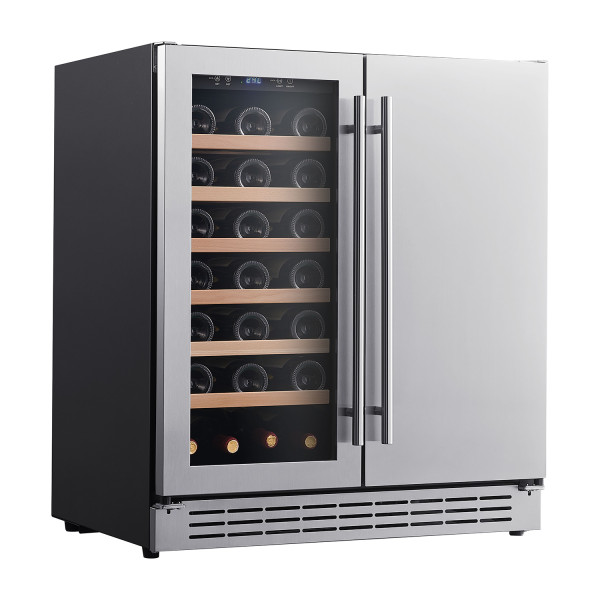
Customizable Wine & Beverage Cooler Solutions-OEM/ODM Specialists for Global Brands and Distributors
Expert OEM/ODM Craftsmanship in Wine & Beverage Cooling Solutions for Worldwide Markets.
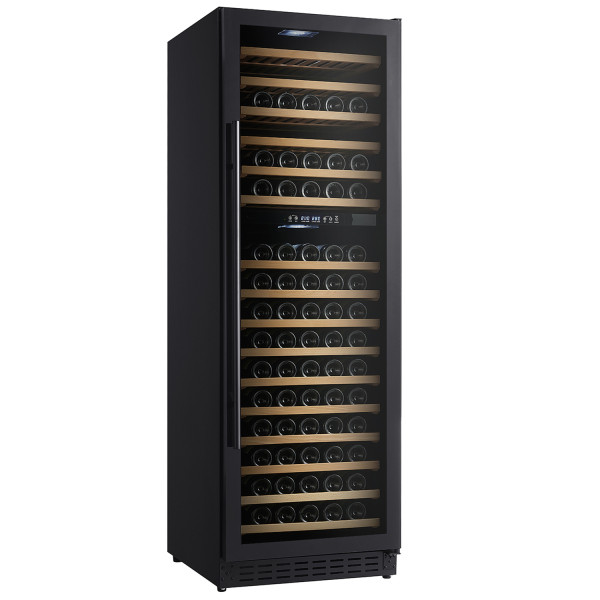
166 Bottle Capacity Wine Cooler – Experience OEM/ODM Luxury, Modern Digital Control
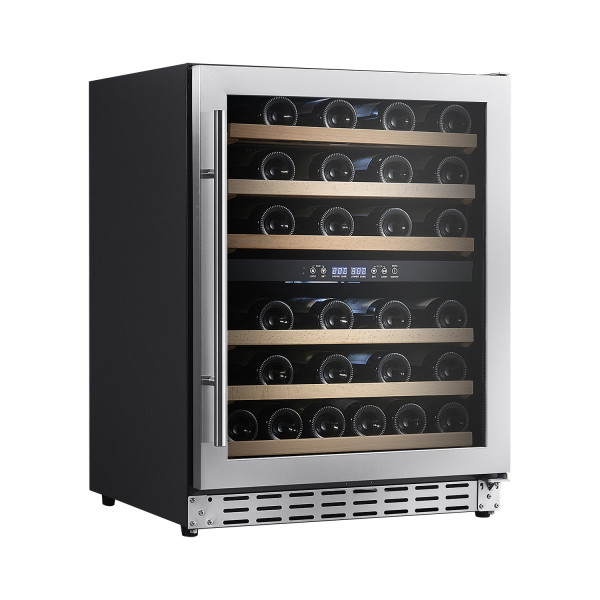
Custom 46-Bottle Dual Zone Wine Cooler - OEM/ODM Excellence for Elite Brands