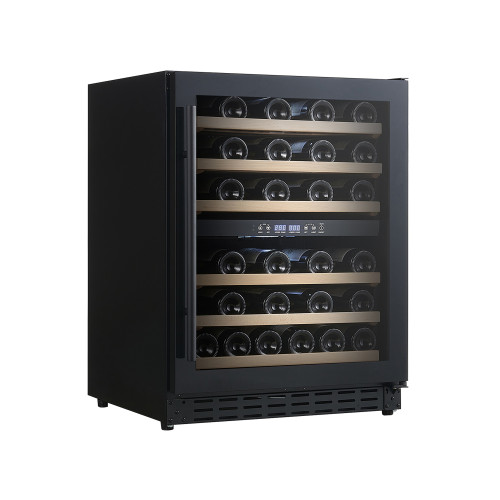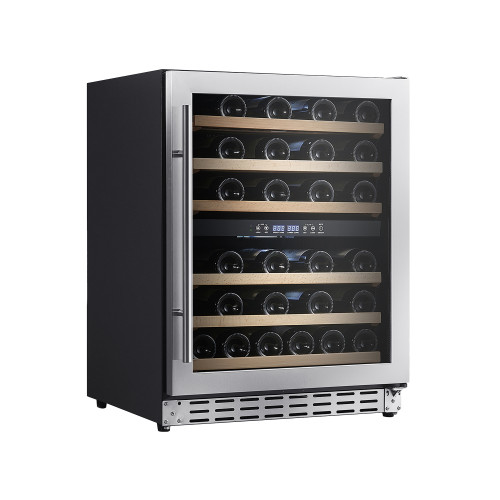
Compressor Wine Coolers Explained: How Modern Wine Refrigerators Reduce Noise and Energy Consumption
In today's premium kitchen and home appliance market, consumers are no longer looking for a simple wine refrigerator. They expect quiet operation, energy efficiency, stable temperature control, and seamless built-in installation. For brands, distributors, and appliance importers, understanding the core technology behind modern wine coolers is essential when selecting an OEM or ODM manufacturing partner.
Among all cooling technologies, compressor wine coolers remain the mainstream solution in the North American and European markets due to their superior cooling performance, reliability, and long-term durability.
In this article, we will explain how compressor wine coolers work, why they are preferred over thermoelectric systems, and how modern manufacturers reduce vibration, noise, and power consumption through advanced engineering.
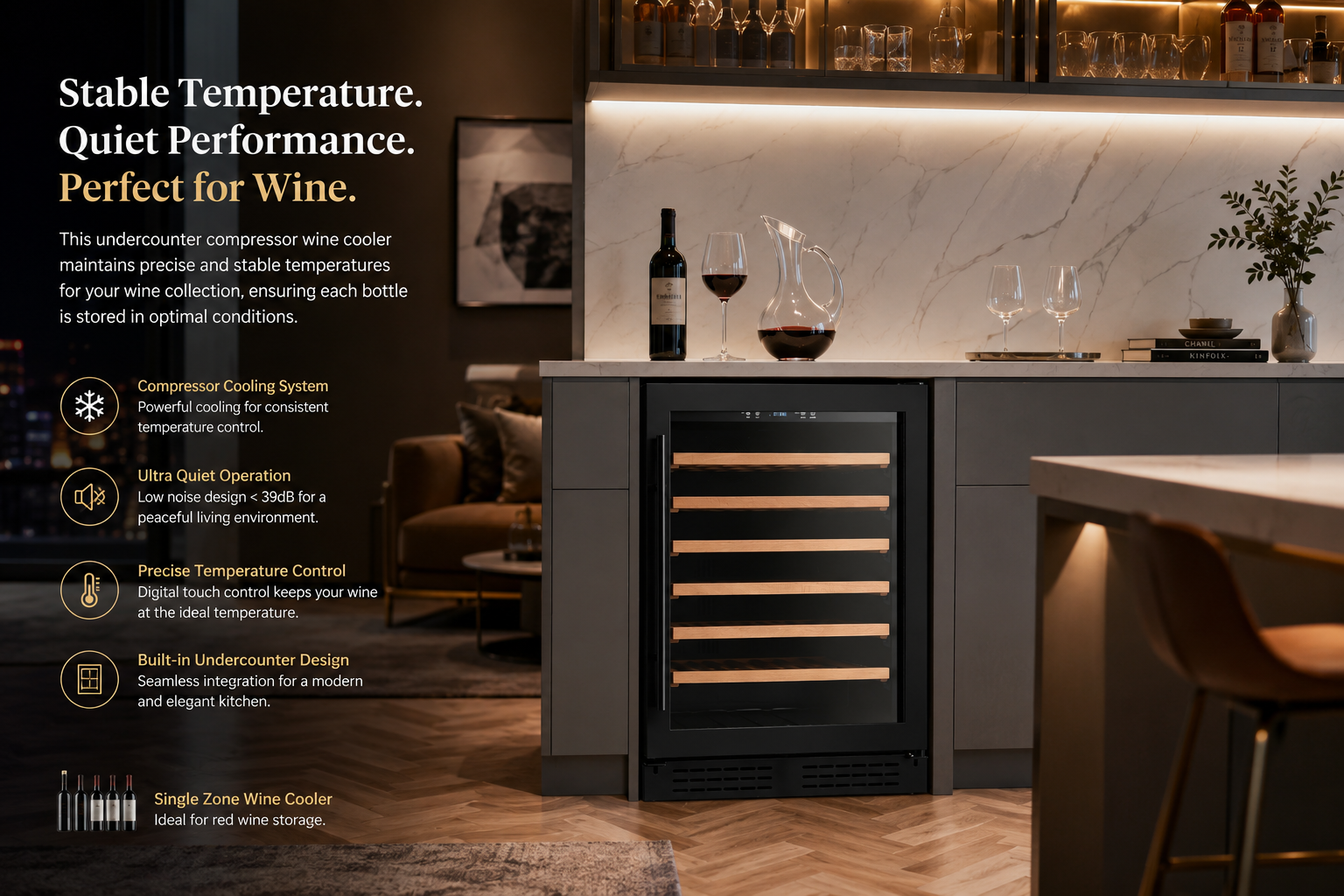
What Is a Compressor Wine Cooler?
A compressor wine cooler uses a refrigeration system similar to household refrigerators. It relies on four key components:
- · Compressor
- · Condenser
- · Evaporator
- · Refrigerant circulation system
The compressor compresses refrigerant gas and circulates it through the cooling system, allowing the wine cabinet to maintain stable temperatures even in hot environments.
Compared with thermoelectric wine coolers, compressor-based systems offer:
- · Faster cooling performance
- · Wider temperature range
- · Better cooling stability
- · Larger storage capacity
- · More suitability for built-in installation
This is why most high-end wine coolers in the US and EU markets use compressor cooling technology.
Why Compressor Wine Coolers Dominate the Premium Market
1. Stable Temperature Control
Wine is highly sensitive to temperature fluctuations. Premium wine coolers must maintain consistent internal temperatures to preserve flavor, aroma, and aging potential.
Modern compressor wine coolers can maintain accurate temperature control even when ambient room temperatures change significantly.
For example:
- · Red wine storage: 12–18°C
- · White wine storage: 5–12°C
- · Dual-zone wine coolers allow simultaneous storage for different wine types
Advanced inverter compressor systems further improve temperature precision while reducing energy consumption.
2. Better Cooling Performance for Built-In Applications
Built-in wine coolers require front ventilation because airflow around the cabinet is limited.
Compressor cooling systems are ideal for:
- · Built-in wine refrigerators
- · Under-counter wine coolers
- · Seamless kitchen integration
- · Full flush installation designs
In modern European and American kitchens, 24-inch and 30-inch built-in wine coolers are among the most popular choices.
3. Larger Capacity Options
Thermoelectric cooling systems are usually limited to small countertop units. Compressor systems, however, can support:
- · 46 bottle wine coolers
- · 80 bottle wine coolers
- · 146 bottle large-capacity wine refrigerators
- · Multi-zone storage systems
This makes compressor wine coolers ideal for residential kitchens, bars, restaurants, hotels, and luxury projects.
How Manufacturers Reduce Noise in Compressor Wine Coolers
One of the biggest concerns consumers have about compressor wine refrigerators is noise.
Modern OEM manufacturers use several technologies to minimize operating sound and vibration.
1. Low-Vibration Compressor Technology
Premium wine coolers use specially designed low-vibration compressors to protect wine sediments from disturbance.
High-quality compressors can significantly reduce operational noise while improving cooling efficiency.
2. Advanced Fan and Airflow Design
Cooling fans are another major source of noise.
Modern wine cooler factories optimize:
- · Fan blade structure
- · Air circulation paths
- · Air duct positioning
- · Fan motor quality
This reduces turbulence and airflow resistance inside the cabinet.
3. Shock Absorption Systems
To reduce vibration transfer, manufacturers install:
- · Rubber shock absorbers
- · Floating compressor mounts
- · Anti-vibration pads
These components help isolate compressor movement from the cabinet structure.
4. High-Density Insulation Materials
Premium insulation not only improves energy efficiency but also helps absorb operational sound.
Many high-end wine coolers now use:
- · Cyclopentane foaming
- · Multi-layer insulated glass
- · Low-E tempered glass doors
These materials contribute to quieter performance while improving thermal stability.
How Modern Wine Coolers Reduce Energy Consumption
Energy efficiency has become increasingly important in Europe and North America due to stricter environmental regulations and rising electricity costs.
Manufacturers are continuously improving wine cooler efficiency through several innovations.
1. Inverter Compressor Systems
Traditional compressors operate using fixed-speed cycles.
Inverter compressors adjust cooling output dynamically based on internal temperature conditions.
Benefits include:
- · Lower power consumption
- · Reduced compressor wear
- · More stable temperatures
- · Lower noise levels
This technology is becoming increasingly common in premium wine refrigerators.
2. Optimized Ventilation Design
Proper airflow management reduces compressor workload.
Modern built-in wine coolers use front ventilation systems with carefully engineered kickplates and airflow channels to improve heat dissipation.
Efficient ventilation helps reduce energy use while extending compressor lifespan.
3. Improved Door Sealing Systems
Poor sealing causes cold air leakage and increases energy consumption.
High-quality wine coolers use:
- · Magnetic sealing gaskets
- · Triple-layer glass doors
- · UV-resistant tempered glass
This improves insulation performance while protecting wine from external heat and UV exposure.
4. Smart Temperature Management
Modern wine refrigerators increasingly integrate smart electronic controls, including:
- · Digital temperature displays
- · Automatic defrost systems
- · Temperature memory functions
- · Intelligent cooling cycles
These systems optimize cooling efficiency while improving user experience.
Trends in the Global Wine Cooler Market
As the premium appliance market continues to grow, several trends are shaping the future of wine refrigeration:
Popular Trends in 2026
- · Seamless flush installation
- · Handleless push-to-open wine coolers
- · Black glass and stainless steel designs
- · Dual-zone and triple-zone cooling
- · Energy-efficient compressor systems
- · Low-noise operation below 40dB
- · Smart home integration
Consumers are increasingly seeking premium built-in wine refrigerators that combine aesthetics, performance, and energy savings.
Choosing the Right OEM Wine Cooler Manufacturer
For brands and importers, selecting the right wine cooler supplier is critical.
A professional OEM/ODM manufacturer should provide:
- · Compressor cooling expertise
- · Energy-efficient product development
- · Low-noise engineering capability
- · Flexible customization options
- · Reliable quality control systems
- · International certifications for US and EU markets
As competition increases, technical capability and product innovation are becoming more important than price alone.
Final Thoughts
Compressor wine coolers continue to dominate the global market because they offer superior cooling performance, stable temperature control, and better adaptability for built-in installations.
At the same time, advancements in low-noise engineering and energy-saving technologies are making modern wine refrigerators quieter, more efficient, and more suitable for premium residential applications.
For appliance brands, distributors, and kitchen project buyers, understanding these technologies can help identify the right manufacturing partners and products for future market demand.
As consumer expectations continue to evolve, manufacturers that combine performance, aesthetics, and energy efficiency will lead the next generation of wine refrigeration solutions.