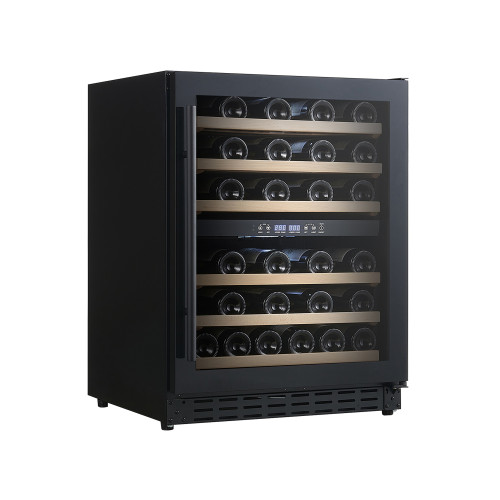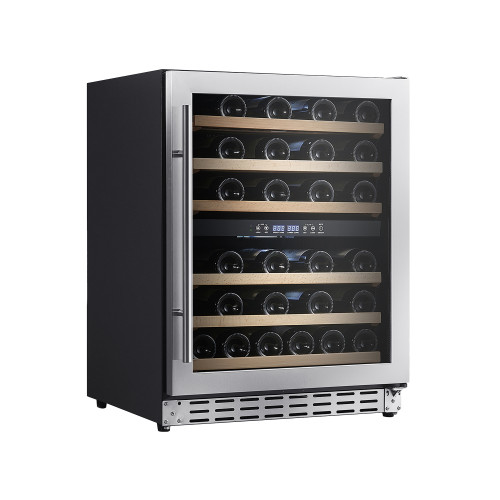
Built-in Wine Coolers: What to Choose and How, from a Leading Manufacturer
As passionate wine enthusiasts, we understand that nurturing a wine collection requires more than just a dedicated space; it demands precision and care. Here at WIKI COOLER, we believe that every bottle, whether a cherished vintage or an everyday delight, deserves the optimal environment to preserve its unique characteristics. This is why we specialize in built-in wine cooler solutions, meticulously crafted to seamlessly integrate into your home while providing exceptional preservation.
Forget about improvising with standard refrigerators that can damage your wines. Our range of built-in wine coolers is engineered to mimic the conditions of a natural wine cellar, offering advanced features that ensure your collection ages gracefully and is always ready to be enjoyed at its peak. We're here to guide you through selecting the perfect built-in wine cooler from a leading manufacturer, WIKI COOLER, to elevate your home and your wine experience.
Why Invest in a Built-in Wine Cooler from WIKI COOLER?
Investing in a specialized wine cooler is a crucial step for anyone serious about wine. It moves your collection from a casual hobby to a curated assortment, ensuring every bottle you open is exactly as the winemaker intended. A built-in unit from WIKI COOLER offers an unparalleled combination of preservation technology and sophisticated design, making it a worthy centerpiece for your home.
Preserving Quality and Flavor
The primary purpose of a wine cooler is to protect your investment from the elements that can degrade its quality. Wine is a delicate, evolving beverage, and its journey from the vineyard to your glass can be easily disrupted by improper storage conditions. Our units are engineered to create a stable sanctuary for your collection.
Optimal Temperature and Humidity Control
Temperature and humidity are the two most critical factors in wine preservation, and consistency is paramount. Drastic temperature fluctuations can cause wine to expand and contract within the bottle, which can dislodge the cork and lead to oxidation. Storing wine at temperatures above 65°F (18°C) will accelerate the aging process, potentially "cooking" the wine and flattening its delicate flavors. Conversely, temperatures that are too cold can stunt the wine's maturation.
The consensus among experts is that the ideal temperature for long-term aging of all types of wine is around 55°F (13°C). WIKI COOLER's built-in units are equipped with advanced compressor cooling and high-precision digital thermostats, which maintain a rock-steady internal temperature, eliminating the damaging fluctuations common in household refrigerators.
Humidity is equally important, as it directly impacts the integrity of the cork. The ideal relative humidity for wine storage is between 50% and 70%. If the environment is too dry (below 50% humidity), corks can dry out, shrink, and crumble, compromising the seal and allowing oxygen to spoil the wine. If humidity is too high (above 70%), it can encourage the growth of mold on labels and corks, which can damage your collection's value and aesthetic. Our built-in wine coolers are engineered to maintain this optimal humidity range, ensuring your corks stay moist and your wine remains perfectly sealed.
Protection from Harmful Elements: UV, Vibration, and Odors
Beyond climate control, wine requires protection from three other invisible enemies: ultraviolet (UV) light, vibration, and odors.
UV Light: Exposure to light, especially direct sunlight or fluorescent lighting, can cause "light-strike," a condition that permanently damages wine. UV rays trigger chemical reactions that break down the delicate flavor and aroma compounds, leading to off-putting tastes and smells, such as cabbage or wet wool. WIKI COOLER units feature double-paned, UV-protected glass doors that block nearly 100% of harmful rays, keeping your collection safe while still allowing you to display it beautifully.
Vibration: Constant or excessive vibration, even at a micro-level, can disturb the fine sediment in aging wines and accelerate chemical reactions. This disruption can mute a wine's aromatics, introduce harshness, and negatively impact the aging process. Our wine coolers are engineered with low-vibration compressor technology and advanced damping systems to create a still, stable environment, mimicking a traditional underground cellar.
Odors: Wine can "breathe" through its cork, which means it is susceptible to absorbing strong external odors from its environment. Storing wine in a standard refrigerator alongside food can impart unwanted smells that taint the wine's flavor. WIKI COOLER built-in models are equipped with activated carbon filters that purify the air inside the unit, trapping and neutralizing any potentially harmful odors to ensure the air remains fresh and clean.
Enhancing Your Home's Aesthetic and Value
A built-in wine cooler is more than just a functional appliance; it's a design statement that elevates your living space. It signals a sophisticated lifestyle and a passion for the finer things, seamlessly blending high-performance technology with luxury design.
Seamless Integration with Custom Designs
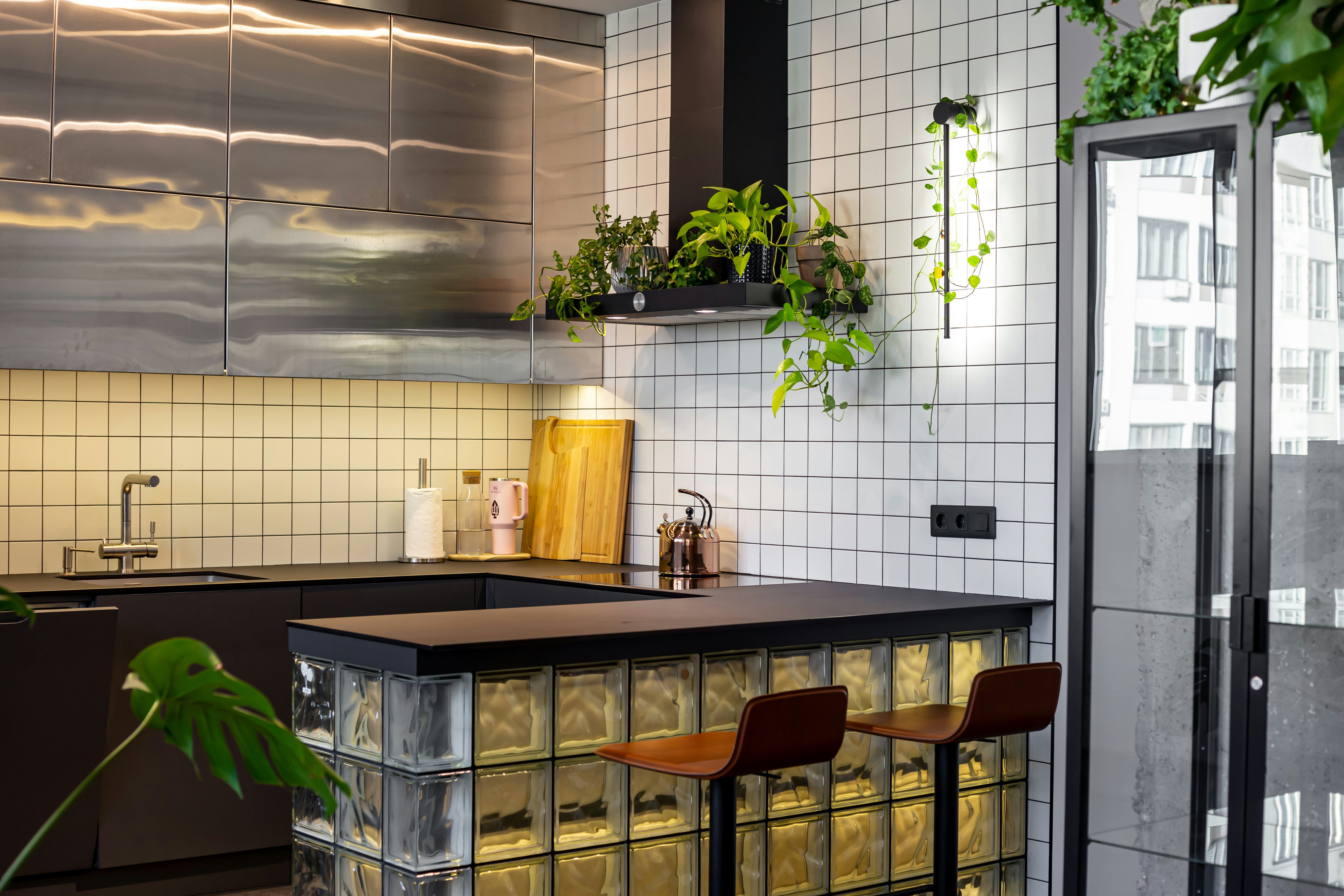
One of the defining features of a built-in wine cooler is its ability to integrate flawlessly into your cabinetry. Unlike freestanding models that require significant clearance for ventilation, our built-in units are front-venting, allowing them to be installed flush under a counter or within a column of cabinets for a truly seamless look.
Many of our models are "panel-ready," meaning you can affix a custom cabinet panel to the front of the cooler. This allows the appliance to disappear into your kitchen's design, creating a clean, uninterrupted, and high-end aesthetic that matches your existing decor perfectly. Whether your style is modern minimalist, traditional elegance, or rustic farmhouse, a panel-ready unit ensures visual harmony.
A Statement of Luxury and Functionality
A built-in wine cooler is more than an appliance; it's a feature that enhances your lifestyle and your home's value. For entertainers, it provides a dedicated and organized station for serving guests, keeping beverages at the perfect temperature and separate from the main refrigerator. For collectors, it's a symbol of their passion, showcasing their collection in a sophisticated and protected manner.
This blend of high-end functionality and aesthetic appeal makes a built-in wine cooler a desirable feature for potential homebuyers. It elevates the kitchen or bar area from a standard space to a gourmet environment. By investing in an integrated solution from WIKI COOLER, you are not only preserving your wine but also adding tangible value and a touch of luxury to your home.
Understanding Built-in Wine Coolers: Features and Technologies from Your Trusted Manufacturer
As a dedicated wine cooler manufacturer, WIKI COOLER is committed to innovation. Our built-in models are packed with advanced technologies designed to offer the best possible environment for your wine. Understanding these features is key to selecting a cooler that meets the specific needs of your collection.
Single, Dual, and Multi-Temperature Zones
One of the most important decisions you'll make is choosing the number of temperature zones. The right choice depends entirely on the composition of your collection and how you plan to enjoy your wine.
Tailoring to Your Collection: Aging vs. Serving
It’s a common misconception that red and white wines require different storage temperatures. For long-term aging, virtually all wines—red, white, rosé, and sparkling—are best kept at a consistent cellar temperature of 55°F (13°C). This is the ideal temperature to allow wine to mature gracefully, preserving its structure and complexity.
However, serving temperatures are very different. To experience their optimal flavor and aroma profiles, different wines should be served at specific temperatures:
- Sparkling Wines: 40°F–45°F (5°C–7°C)
- White Wines & Rosé: 45°F–50°F (7°C–10°C)
- Red Wines: 60°F–65°F (16°C–18°C)
This is where temperature zones become crucial.
Single-Zone Coolers: These units maintain one consistent temperature throughout. They are perfect for collectors focused on long-term aging of their entire collection or for those who primarily drink one type of wine. If your goal is preservation, a single-zone cooler set to 55°F is an excellent and cost-effective choice.
Dual-Zone Coolers: As the name implies, these coolers have two independently controlled compartments. This is the ideal solution for the versatile wine lover who enjoys both reds and whites and wants them ready to serve at a moment's notice. You can set one zone for whites and another for reds, or use one zone for aging (55°F) and the other for serving. This flexibility makes dual-zone models perfect for entertaining.
Multi-Zone Coolers: For the serious connoisseur with a highly diverse collection, multi-zone (or triple-zone) coolers offer three or more distinct temperature areas. This allows for the simultaneous storage of reds, whites, and sparkling wines, each at their perfect serving temperature, all within one appliance.
The table below summarizes the best use case for each type:
| Zone Type | Best For | Typical Use Case |
|---|---|---|
| Single-Zone | Long-term aging, budget-conscious buyers, collectors of one wine type. | Setting the entire unit to 55°F (13°C) to preserve a mixed collection for years. |
| Dual-Zone | Entertainers, collectors with a mix of red and white wines. | Keeping whites chilled around 48°F (9°C) and reds at a cellar temp of 62°F (17°C). |
| Multi-Zone | Advanced collectors, restaurants, homeowners with diverse needs. | Storing sparkling wines, whites, and reds each at their individual ideal serving temperatures. |
Advanced Climate Control Systems by WIKI COOLER
As a leading wine cooler manufacturer, our focus is on creating a perfectly stable micro-environment. This goes beyond simple cooling and involves a synergistic system of technologies that work together to protect every aspect of your wine.
Humidity Management for Cork Integrity
A natural cork is essential for proper wine aging, acting as a seal that allows microscopic amounts of oxygen to interact with the wine over time. For the cork to do its job, it must remain moist and elastic. If the surrounding air is too dry, the exposed part of the cork can dry out, shrink, and crack, which compromises the seal and lets damaging amounts of oxygen into the bottle. The ideal relative humidity (RH) to prevent this is between 50% and 70%.
WIKI COOLER's systems are designed to maintain this crucial humidity range. The cooling process naturally produces condensation. Our wine coolers use this moisture to their advantage, with internal fans that circulate the humid air evenly throughout the cabinet, ensuring corks remain perfectly hydrated. Some of our advanced models feature active humidity control, using built-in sensors and humidifiers to add or remove moisture as needed for precise regulation.
Low Vibration and Quiet Operation
Even subtle, constant vibrations can negatively affect wine. This energy can disturb the natural settling of sediments in aging bottles and speed up chemical reactions, causing the wine to age prematurely or develop undesirable characteristics. Standard kitchen refrigerators, with their powerful compressors, generate significant vibrations that are harmful to wine.
At WIKI COOLER, we address this with a multi-faceted approach:
- Advanced Compressors: We use state-of-the-art, energy-efficient compressors that are designed for quiet, low-vibration performance.
- Damping Systems: Our compressors are mounted on rubber or silicone blocks that absorb and isolate vibrations, preventing them from transferring to the cooler's cabinet and shelving.
- Sturdy Shelving: Our wooden or metal shelves are designed to hold bottles securely, minimizing any movement and contributing to the overall stillness of the interior environment.
The result is a peacefully quiet appliance that provides a perfectly stable environment for your collection to mature undisturbed.
UV-Protected Glass and LED Lighting
Just as sunlight can damage your skin, its UV rays can irrevocably damage your wine. UV light triggers a chemical reaction known as "light-strike" that breaks down the delicate esters and phenols responsible for a wine's complex aromas and flavors. This can leave a wine tasting flat, with unpleasant notes of cooked cabbage or wet cardboard.
To combat this, every WIKI COOLER built-in model features:
- UV-Resistant Glass Doors: The doors are constructed with at least two panes of tempered glass that are tinted and coated to block over 99% of harmful ultraviolet rays. Many models are also filled with argon gas between the panes, which acts as an excellent insulator to improve thermal efficiency.
- Heat-Free LED Lighting: To illuminate your collection for display, we use only high-quality LED lights. Unlike incandescent or fluorescent bulbs, LEDs produce no heat and emit no UV radiation, making them completely safe for wine. This allows you to showcase your bottles without fear of damaging them.
Design and Capacity Considerations
Beyond the core preservation technologies, the physical design and capacity of your wine cooler are crucial factors that impact its usability and how well it fits into your home and lifestyle.
Sizing Your Built-in Wine Cooler for Current and Future Needs
One of the most common mistakes new buyers make is underestimating their storage needs. A budding interest in wine can quickly evolve into a passionate collection. Therefore, it's wise to plan for the future.
A good rule of thumb is to choose a cooler with at least 30-50% more capacity than your current collection. If you have 30 bottles now, consider a unit that holds 50 or more. This gives you ample room to explore new regions and vintages without quickly outgrowing your storage.
It's also important to understand how capacity is measured. Most manufacturers state capacity based on standard 750ml Bordeaux-style bottles. If your collection includes wider bottles like those used for Burgundy, Pinot Noir, and Champagne, your actual storage capacity will be lower. Look for coolers with adjustable or removable shelves to accommodate these non-standard bottle shapes.
Customizable Interiors and Finishes
A WIKI COOLER built-in wine cooler is designed to adapt to your collection and your home's decor. We offer a range of customizable options to create a truly personal and functional storage solution.
- Shelving: Choose from elegant, warp-resistant wood shelves (often beech or cherry) that cradle your bottles, or modern, durable metal racks. Many of our models feature full-extension, ball-bearing racks that glide out smoothly, giving you easy access to every bottle without disturbing its neighbors.
- Finishes: Our coolers are available in a variety of finishes to complement any kitchen design. The most popular options include timeless stainless steel, sleek black, and panel-ready doors that can be fitted with a custom panel to match your cabinetry.
- Handles and Doors: Many models feature reversible doors, allowing you to choose whether the door swings open to the left or the right, providing maximum flexibility for installation. You can also select from different handle styles, from modern bar handles to more traditional, discreet options.
Built-in vs. Other Wine Cooling Solutions: Why WIKI COOLER Recommends Integrated Excellence
While there are several types of wine coolers on the market, built-in models offer a unique combination of performance, style, and space efficiency that is unmatched by other solutions. As a specialized manufacturer, we believe in the superiority of integrated design for the discerning homeowner.
Understanding Freestanding and Fully Integrated Options
The primary distinction between different types of wine coolers lies in their ventilation design, which dictates how and where they can be installed.
Space Efficiency and Ventilation Requirements
Freestanding Wine Coolers: These are standalone units designed to be placed anywhere with access to a power outlet. Their cooling systems typically vent heat from the back and sides. Because of this, they require significant clearance—often several inches—on all sides to ensure proper airflow and prevent overheating. Placing a freestanding cooler in an enclosed cabinet is not recommended and can cause the unit to fail.
Built-in/Integrated Wine Coolers: These models are specifically engineered for installation within cabinetry. The key feature is a front-facing ventilation system, usually located in a grille at the bottom of the unit. This design allows the cooler to draw in cool air and expel warm air from the front, enabling it to be installed flush with cabinets on the top, back, and sides with minimal clearance required. This makes them exceptionally space-efficient and is the only safe way to install a cooler under a counter or within a cabinet wall.
| Feature | Freestanding Cooler | Built-in Cooler |
|---|---|---|
| Ventilation | Rear and/or sides | Front |
| Installation | Standalone only | Under-counter, in-cabinet |
| Required Clearance | 2-5 inches on sides/back | ~1/4 inch on sides/top |
| Aesthetic | Standalone appliance | Seamless, integrated look |
Aesthetic Impact on Your Kitchen or Bar
The choice between a freestanding and a built-in unit has a significant impact on your room's overall design. A freestanding cooler, while flexible in placement, always remains a separate appliance. It can be a statement piece but will never fully merge with the design of the room.
A WIKI COOLER built-in model, by contrast, becomes part of the architecture. It creates a sleek, cohesive, and professional aesthetic, whether it's neatly tucked under a kitchen island or part of a full-height beverage center. For homeowners who value a clean, uncluttered, and high-end design, the integrated look of a built-in model is far superior.

The WIKI COOLER Advantage: Blending Innovation with Design
As a leading manufacturer, we don't just build appliances; we engineer complete wine preservation solutions. We combine cutting-edge technology with thoughtful design elements to offer a product that excels in both performance and style.
Customization and Seamless Integration
Our primary advantage is the focus on integrated excellence. We understand that a wine cooler should complement, not complicate, your home's design. That’s why we offer:
- Precise Dimensions: Our coolers are designed to fit standard cabinet widths (e.g., 15", 24") for easy planning and installation.
- Panel-Ready Options: The ability to add custom panels allows for true, seamless integration, making the cooler an invisible yet essential part of your kitchen.
- Flexible Features: Reversible doors and adjustable shelving ensure that the cooler can be adapted to your specific space and collection needs.
Long-term Durability and Energy Efficiency
An investment in a WIKI COOLER is an investment in quality that lasts. We use premium components to ensure durability and optimal performance for years to come.
- Energy Efficiency: Our coolers use modern, energy-efficient compressors, high-quality insulation, and UV-blocking, argon-filled glass doors. These features not only protect your wine but also minimize electricity consumption, saving you money on energy bills over the long term. Many of our models are Energy Star certified.
- Robust Construction: From sturdy, full-extension shelving that can handle the weight of a full collection to durable stainless steel finishes, our units are built to withstand the rigors of daily use while maintaining their elegant appearance.
Choosing Your Ideal Built-in Wine Cooler from the #1 Manufacturer: A Step-by-Step Guide
Selecting the perfect built-in wine cooler involves a thoughtful assessment of your collection, your space, and your lifestyle. As the #1 manufacturer, WIKI COOLER is here to guide you through the process, ensuring you find a model that you'll love for years to come.
Assessing Your Collection and Storage Goals
The first step is to look inward at your own wine habits and aspirations. What kind of collector are you, and what kind do you want to be?
How Many Bottles Do You Really Need to Store?
Be realistic, but also be aspirational. To figure out the right capacity, start with a simple calculation:
(Current Number of Bottles) + (Average Bottles Purchased Per Year x 3) = Your Ideal Minimum Capacity
This formula provides a good baseline for a 3-year growth plan. Most wine enthusiasts find their collections expand faster than they anticipate. A good rule of thumb is to buy a cooler with 30-50% more space than you think you need today. This foresight prevents the frustration and expense of needing to upgrade your unit in just a few years.
Another critical factor is bottle shape. The stated capacity of wine coolers is almost always based on standard 750ml "Bordeaux" style bottles, which are tall and straight. However, many popular wines come in different shapes:
- Burgundy/Pinot Noir Bottles: Shorter, with a wider base and sloped shoulders.
- Champagne/Sparkling Wine Bottles: Thicker glass, a deeper punt (the indentation at the bottom), and a wider diameter.
- Riesling/Alsatian Bottles: Taller and more slender than Bordeaux bottles.
If a significant portion of your collection consists of these larger bottle types, you should expect the actual capacity of your cooler to be reduced by as much as 20-30%. Look for WIKI COOLER models with adjustable or removable shelves, which offer the flexibility to store these non-standard formats.
Aging, Serving, or Both? Defining Your Cooler's Purpose
Revisiting the concept of temperature zones, it's essential to define the primary role of your wine cooler. Your answer will guide you toward the right model.
- For the Long-Term Collector: If your main goal is to lay down bottles for several years to let them mature, a single-zone cooler is ideal. Set it to the universal aging temperature of 55°F (13°C), and your entire collection of reds and whites will age gracefully. You can then chill whites or warm reds for a short period before serving.
- For the Entertainer: If you love hosting and want wines to be perfectly ready to pour, a dual-zone cooler is a must-have. You can keep your whites and sparkling wines in a colder zone (e.g., 45-50°F) and your reds in a warmer zone (e.g., 60-65°F). This convenience is invaluable when guests arrive.
- For the Hybrid Enthusiast: Many wine lovers do both. In this case, a dual-zone unit also works perfectly. You can dedicate one zone to long-term aging at 55°F and use the second zone for short-term, service-ready bottles. This gives you the best of both worlds: a cellar for aging and a refrigerator for serving.
Considering Your Space and Design Preferences
A built-in wine cooler needs to fit your space physically and aesthetically. Meticulous measurement and thoughtful style choices are key to a successful integration.
Measuring for a Perfect Fit
To ensure a seamless installation, accurate measurements are non-negotiable. Follow these steps before making a purchase:
- Measure the Opening: Using a tape measure, record the exact height, width, and depth of the cabinet opening where the cooler will be installed. Measure in at least two different spots for each dimension to account for any slight variations.
- Confirm Manufacturer's Specifications: Compare your measurements to the "cutout dimensions" provided by WIKI COOLER for the specific model you're considering. Do not use the appliance's actual dimensions, as the cutout dimensions account for necessary clearances.
- Check for Utilities and Clearance: Ensure a grounded electrical outlet is accessible. Remember that even front-venting built-in units require a small amount of clearance (typically about 1/4 inch on the sides and top, and 1-2 inches in the back) for proper air circulation and to accommodate the plug.
- Plan the Door Swing: Consider the flow of traffic in your kitchen or bar. Make sure the cooler's door will have enough space to open fully without being obstructed by an island, other appliances, or cabinetry. Look for models with a reversible door if you need more flexibility.
Matching Finishes and Styles to Your Interior
Your wine cooler should be a harmonious element of your room's overall design. WIKI COOLER offers a variety of options to match your vision:
- Stainless Steel: A timeless and popular choice that complements professional-style kitchen appliances. It offers a clean, modern look that is both durable and easy to clean.
- Black: A sleek, sophisticated option that creates a dramatic and contemporary feel. Black glass doors can beautifully highlight the bottles within, especially when paired with soft LED lighting.
- Panel-Ready: For the ultimate in seamless integration, a panel-ready model is the answer. You or your cabinet maker can create a custom front panel that perfectly matches your existing cabinetry, making the wine cooler virtually invisible. This creates a cohesive, high-end look that is a hallmark of luxury kitchen design.
Consider the handle style as well. A modern, tubular bar handle in stainless steel creates a different feel than a discreet, recessed handle or a custom handle that matches your other cabinet hardware.
Key Features to Look for in a WIKI COOLER Built-in Model
When comparing models, focus on the core technologies that are most critical for wine preservation. These features are the foundation of a high-quality wine cooler.
Temperature Stability and Control Accuracy
The single most important function of a wine cooler is its ability to maintain a consistent temperature. It's not enough to simply reach a set temperature; the cooler must hold it steady with minimal fluctuation. Wide temperature swings are one of the biggest threats to a wine's longevity.
Look for WIKI COOLER models that feature:
- High-Quality Digital Thermostats: These provide precise control, allowing you to set and monitor the temperature to the exact degree.
- Advanced Compressor Cooling: Modern compressors are far superior to older technologies, offering powerful and efficient cooling with rapid temperature recovery after the door is opened.
- Internal Air Circulation: Fans within the unit ensure that the cool air is distributed evenly, eliminating hot spots and ensuring every bottle is kept at the same temperature, regardless of its position on the shelves.
Humidity Regulation and Air Filtration
As discussed, humidity and air quality are essential for protecting your wine from oxidation and contamination. When selecting your model, confirm that it includes:
- Humidity Management System: WIKI COOLER units are designed to maintain the ideal humidity range of 50-70%. This is often a passive system that leverages the natural condensation from the cooling process, but some high-end models offer active humidification or dehumidification for absolute control.
- Activated Carbon Filter: This is a non-negotiable feature for serious collectors. An integrated charcoal or carbon filter works continuously to scrub the air inside the cooler, removing any ambient odors from the household that could otherwise penetrate the cork and taint the wine. These filters should be replaced periodically (typically once a year) to ensure they remain effective.
Expert Care from Your Go-To Built-in Wine Cooler Manufacturer: Installation and Maintenance Tips
Your relationship with your wine cooler doesn't end after the purchase. Proper installation and routine maintenance are essential for ensuring its longevity and optimal performance. As your trusted wine cooler manufacturer, WIKI COOLER is here to provide expert guidance to protect your investment.
Professional Installation for Optimal Performance
While some installations can be a DIY project, we often recommend professional installation to guarantee that every detail is handled correctly. A proper setup is the foundation of your cooler's performance.
Ensuring Proper Ventilation and Leveling
These two steps are critically important and surprisingly easy to get wrong.
- Ventilation: Even with front-venting built-in models, adhering to the manufacturer's specified clearances is crucial. While minimal, the space around the unit allows for proper air circulation to the compressor and prevents overheating. Blocking the front grille or installing the unit too tightly can strain the cooling system, reduce efficiency, and shorten the lifespan of the appliance.
- Leveling: The wine cooler must be perfectly level from front to back and side to side. An unlevel unit can cause several problems: the compressor may have to work harder, leading to increased noise and vibration; and the door may not seal properly, allowing cool air to escape and warm air to enter, which forces the unit to run constantly. Use a level on top of the unit and adjust the leveling legs at the bottom until the bubble is perfectly centered.
Post-Delivery Preparation: The 24-48 Hour Wait
This may be the most important—and most often ignored—piece of advice. After your new wine cooler is delivered and placed in its final position, you must let it stand unplugged for at least 24 hours. Some manufacturers recommend up to 48 hours.
This waiting period is essential. During shipping and handling, the cooler is often tilted or laid on its side. This can cause the lubricating oil within the compressor to seep into the refrigerant lines. If you plug the unit in immediately, the compressor can start up without sufficient lubrication, or it may try to compress the incompressible oil, leading to serious damage and potential system failure. Allowing the unit to stand upright for 24-48 hours gives the oil and coolant plenty of time to settle back into their correct positions, ensuring a safe startup and a long life for your appliance.
Maintaining Your WIKI COOLER for Longevity
A WIKI COOLER is a low-maintenance appliance, but a few simple, regular practices will ensure it continues to operate efficiently and protect your wine for decades.
Regular Cleaning and Organizational Practices
A clean cooler is an efficient cooler. We recommend a light cleaning every 6 to 12 months.
- Unplug the Unit: Always disconnect the power before cleaning.
- Empty the Cooler: Remove all bottles. This is also a perfect opportunity to update your wine inventory.
- Clean the Interior: Use a soft cloth with a solution of mild soap and water to wipe down the interior walls and shelves. Avoid harsh chemicals or abrasive cleaners.
- Dry Thoroughly: Wipe everything down with a dry, soft cloth before returning the bottles.
- Check the Carbon Filter: If your model has a carbon filter, check the manufacturer's recommendation for replacement (typically annually). You can order replacements directly from us.
- Clean the Exterior and Vents: Wipe down the exterior and use a vacuum with a brush attachment to gently clean any dust from the front ventilation grille.
When organizing, group similar bottles together and consider using a cellar management app or neck tags to keep track of your collection. This minimizes the time you spend with the door open, which helps maintain temperature stability.
Maximizing Efficiency: Keeping Your Cooler at Least 80% Full
A well-stocked wine cooler is an energy-efficient wine cooler. This is due to the principle of thermal mass. The bottles of wine inside the cooler absorb and hold the cold, creating a large mass that helps stabilize the internal temperature.
When the cooler is full, the compressor has to work less to maintain the set temperature, especially after you open the door. The chilled bottles help bring the temperature of the incoming air down more quickly. An empty or sparsely filled cooler has less thermal mass, so the compressor must run longer and more frequently to combat temperature fluctuations. For optimal energy efficiency and temperature stability, aim to keep your cooler at least 80% full. If your collection is still growing, you can even fill empty spaces with bottles of water to increase the thermal mass.
Finally, should you ever need assistance or wish to expand your collection, feel free to contact us to get a quotation for our latest models or services.
Choosing the right built-in wine cooler is a significant decision for any wine lover. With WIKI COOLER, you're not just purchasing an appliance; you're investing in a solution that combines cutting-edge technology with elegant design, ensuring your cherished wine collection is perfectly preserved and beautifully displayed. We are committed to providing you with a built-in wine cooler that meets your specific needs, seamlessly integrates into your lifestyle, and enhances every aspect of your wine journey.
We invite you to explore the WIKI COOLER difference and discover how our expertise as a leading manufacturer in built-in wine coolers can transform your wine storage experience. Let us help you find the ideal built-in model that perfectly complements your home and your passion for wine. Please share this guide with fellow wine enthusiasts, and feel free to leave your questions or comments below